


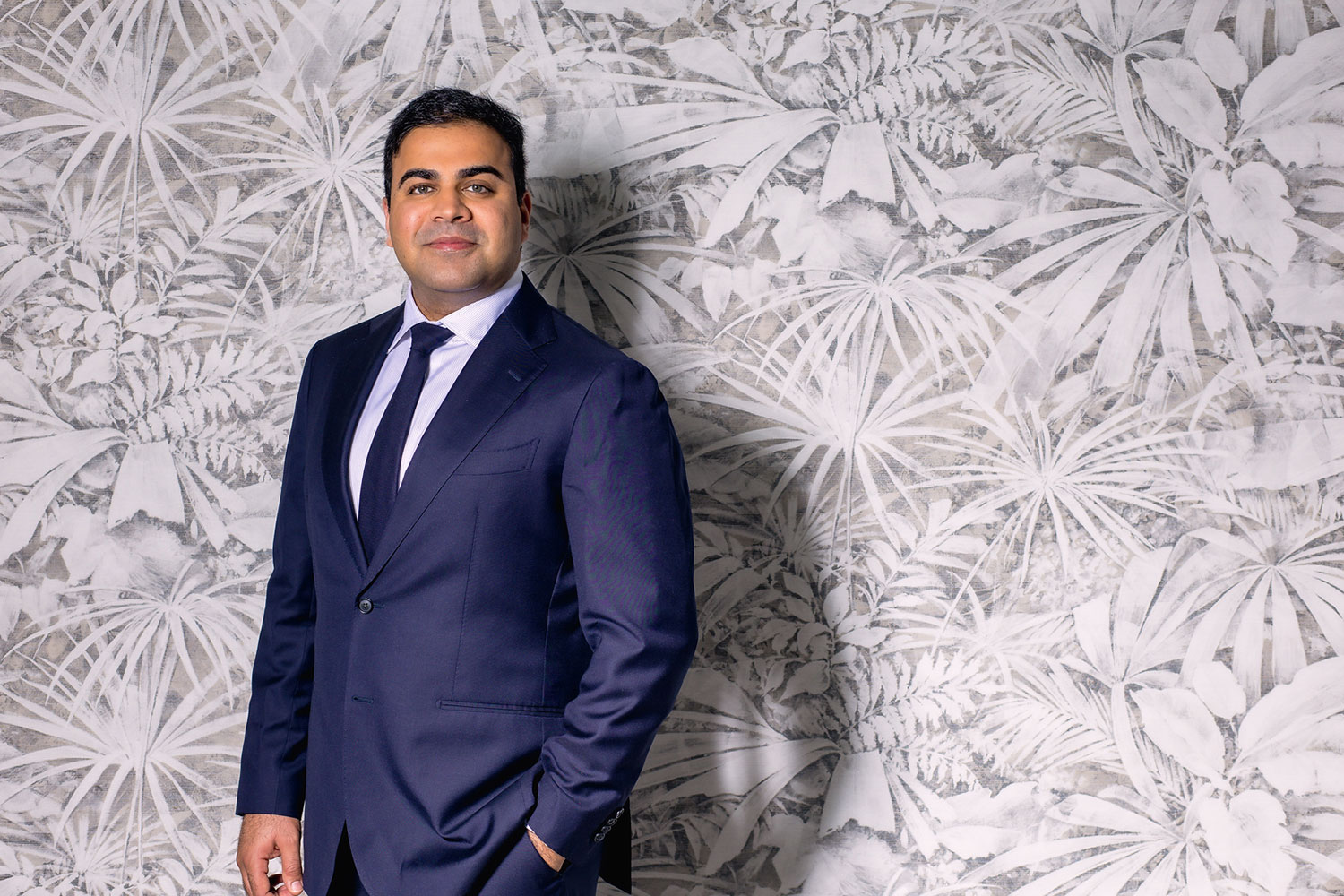
Driven by a profound passion for both science and artistry, the distinguished Dr. Karan Chopra views plastic surgery as a delicate balance between precision and creativity. A celebrated expert in facial aesthetics, Dr. Chopra says he is committed to achieving “natural” results–enhancing harmony and proportion while honoring the individuality and authenticity of each patient.
Located in the heart of Coral Gables, Dr. Karan Chopra blends advanced technology with a deeply personalized approach to plastic surgery. Using state-of-the-art 3D and 2D imaging, he collaborates closely with each patient to meticulously plan procedures, ensuring clear communication and building trust through visualized outcomes.
An expert in facelift and neck lift procedures, Dr. Chopra refers to his work as a “high-stakes game of millimeters,” underscoring the precision and artistry involved in these transformative surgeries. His techniques not only rejuvenate appearances but elevate self-esteem.
Dr. Chopra, a Board-Certified Plastic Surgeon, has refined his craft at the renowned Johns Hopkins Hospital, recognized by U.S. News & World Report as the nation’s top hospital for 21 consecutive years.
A visionary in the field, Dr. Chopra continues to innovate with groundbreaking techniques like his patented Liposhot device, which restores facial volume and enhances skin quality using the regenerative power of stem cells.
What inspired you to pursue a career in plastic surgery?
I was always drawn to the profession because of my love for science and my aptitude for math. However, I discovered various medical specialties once I entered medical school and began learning through the mentorship model. I was immediately captivated by plastic surgery’s creative, artistic, and innovative aspects. Within the broader field of medicine, plastic surgery stood out. Not only does it encompass aesthetic medicine, but it also offers opportunities to explore research in reconstructive surgery and regenerative medicine.
What I love most about plastic surgery is the immense satisfaction of restoring a patient’s sense of wholeness. Whether performing breast reconstruction after a cancer diagnosis or addressing inherited cosmetic concerns like neck fullness or droopy eyelids, the transformative results are incredibly rewarding. Beyond that, mentorship played a significant role in my journey. Dr. Devinder Singh at the University of Maryland was instrumental in guiding me toward this field. Under his mentorship, I was exposed to various cosmetic and reconstructive procedures, which fostered my growth and expertise in facelift and neck lift surgeries.
Did you always have a passion for facial surgery?
Yes, the intricate anatomy and the attention to detail required in facial surgery resonate deeply with me. I love the challenge of understanding facial anatomy at a profound level and the meticulous technique it demands. While breast and body surgeries bring their unique rewards, facial surgeries like eyelid lifts, facelifts, neck lifts, and lip lifts involve a “high-stakes game of millimeters,” which I find particularly gratifying.
The best part of facial surgery for me is witnessing a patient’s reactions when they see their results after just a week or two of mild bruising and swelling. That moment of transformation and renewed confidence makes the process so fulfilling.
Do you have a specific philosophy when it comes to facial aesthetics?
My philosophy can be summed up in one word: “natural.” Plastic surgery often has a bad reputation due to overdone or poorly performed procedures. However, masterfully executed facial rejuvenation and beautification produce subtle and stunning results. When surgery is performed with skill and an artistic eye, the outcomes are seamless and enhance a person’s natural beauty.
Principles of balance and proportion guide me. Some procedures aim to make patients look more youthful, rested, and rejuvenated, while others help create harmony and balance between facial features. Achieving natural results while meeting my patients’ expectations requires carefully reviewing their anatomy and spending ample time understanding their goals. We use advanced 3D and 2D imaging technology during consultations to visualize their current features and collaboratively design a surgical plan. This approach ensures patients achieve their desired look without losing their sense of self.
What is a plastic surgeon’s role in self-esteem and body positivity?
There’s no doubt that plastic surgery can promote self-esteem and foster body positivity. Once you move past the stigma often associated with it, you realize its potential to help people feel more like themselves. While lifestyle changes like diet and exercise can improve certain aspects of appearance, some issues are genetic and can only be addressed surgically.
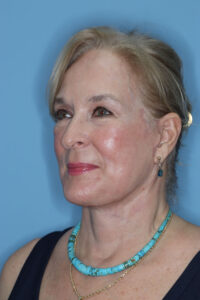
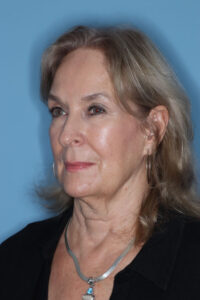
I often see patients in their 60s who have led vibrant lives but feel their facial appearance no longer reflects their energy and zest for life. Targeted facial rejuvenation procedures can bridge this gap, allowing “60 to be the new 40.”
What role does technology play in plastic surgery?
Technology plays a crucial role in enhancing outcomes and patient experiences. I use cutting-edge 3D imaging software like the Vectra 3D system to study my surgical outcomes and demonstrate realistic patient expectations. This technology clearly visualizes potential results, fostering transparency and collaboration.
Additionally, I am the inventor and patent holder of a device called Liposhot, which revolutionizes fat grafting in facial plastic surgery. This all-in-one solution allows for harvesting, processing, and reinjecting fat. Fat grafting not only restores volume but also enhances skin quality through the delivery of stem cells. It offers a more natural look and feel compared to fillers, with longer-lasting results.
Have you ever had to turn down a patient?
Yes, there are instances where we decline to proceed with certain patients. It is usually due to an inability to meet their expectations, which sometimes means they are unrealistic. Sometimes, the current state of plastic surgery technology isn’t advanced enough to address specific concerns.
We also assess patients during consultations for any red flags. While patients interview surgeons, we evaluate whether they are a good fit for our practice. A strong surgeon-patient relationship is vital, especially in navigating any challenges during the healing process. Mutual trust and respect are the cornerstones of a successful journey.
What trends do you see for plastic surgery over the next 10 years?
The field of plastic surgery is evolving rapidly, and predicting its future is both exciting and challenging. Over the next five years, I anticipate an increasing emphasis on natural results and advancements in regenerative therapies, such as exosomes, which enhance skincare and postoperative healing.
We’re already witnessing a shift toward minimally invasive procedures, such as fat grafting for breast augmentation, which offers a natural alternative to silicone implants. There is also a notable decline in the demand for buttock augmentation procedures like the Brazilian Butt Lift (BBL), with many patients now requesting reversals.
One trend I find particularly exciting is the growing popularity of earlier facial rejuvenation procedures. Deep plane facelifts and neck lifts are becoming the “next mommy makeover” as younger patients opt for preventative enhancements in their 30s and 40s rather than waiting until later.
Do you have any personal projects?
One of our most exciting developments is performing deep plane face and neck lifts without traditional anesthesia. These procedures can now be done without general or IV sedation, reducing recovery time and eliminating the risks associated with anesthesia.
What are your other passions when you’re not in the operating room?
Outside of work, I cherish spending time with my two sons, Arjun and Niam, and my wife, Dr. Jasleen Chopra, an assistant professor of breast imaging at the University of Miami. She is the secret to my success, enabling me to dedicate myself to my patients while maintaining balance with our growing family.
Although body and breast surgeries are rewarding, facial procedures such as eyelid, face, neck and lip lifts present a “game of millimetric precision” that I find particularly exciting. The best moment for me is when patients see their results after a week or two of mild bruising and swelling. That transformation, and the renewed confidence that comes with it, makes it all worthwhile.
Do you have a specific philosophy when it comes to facial aesthetics? My philosophy comes down to one word: “naturalness.” Plastic surgery often gets a bad reputation from overdone or poorly performed procedures. Yet masterfully executed facial rejuvenation delivers subtle, striking results. When surgery is performed with skill and artistic vision, the results enhance a person’s natural beauty. The principles of balance and proportion guide me. Some procedures aim to rejuvenate, while others create harmony among facial features. Achieving natural results while meeting my patients’ expectations requires a detailed analysis of their anatomy and time to understand their goals. We use advanced 3D and 2D imaging technology to visualize current features and design a surgical plan collaboratively, ensuring the patient achieves their desired look without losing their essence.
What role does a plastic surgeon play in self-esteem and body positivity? There is no doubt that plastic surgery can foster self-esteem and body positivity. Once the stigma is overcome, its potential to help people feel more like themselves becomes clear. While lifestyle changes like diet and exercise improve certain aspects, some concerns are genetic and can only be addressed surgically. I often see patients in their 60s who have lived vibrant lives but feel their facial appearance no longer reflects their energy. Facial rejuvenation procedures allow “60 to be the new 40,” helping them regain confidence.
What role does technology play in plastic surgery? Technology is crucial to improving results and the patient experience. I use advanced software like the Vectra 3D system to analyze outcomes and demonstrate realistic expectations. This fosters transparency and collaboration. I am also the inventor of the Liposhot device, which revolutionizes fat grafting in facial surgery. This all-in-one system makes it possible to extract, process and reinject fat, restoring volume and improving skin quality through stem cells. It offers a more natural and longer-lasting look than fillers. Have you ever had to turn patients away? Yes, there are occasions when we do not proceed with certain patients, usually because of unrealistic expectations or concerns identified in our assessment. We also evaluate patients during consultations for red flags. A strong surgeon-patient relationship is essential to navigating the challenges of the healing process.
What trends do you see in plastic surgery over the next 10 years? In the next five years, I foresee a greater emphasis on natural results and regenerative therapies such as exosomes, which improve skin care and postoperative recovery. There is also a growing preference for less invasive procedures and an interest in earlier facial rejuvenation.
Do you have personal projects? One exciting innovation is performing deep plane face and neck lifts without traditional anesthesia, reducing recovery times.
When you’re outside the operating room, what are you most passionate about? I cherish time with my children, Arjun and Niam, and my wife, Dr. Jasleen Chopra, who is a professor at the University of Miami. She is the secret behind my success, helping me balance my career and my family.




 Contact Us