


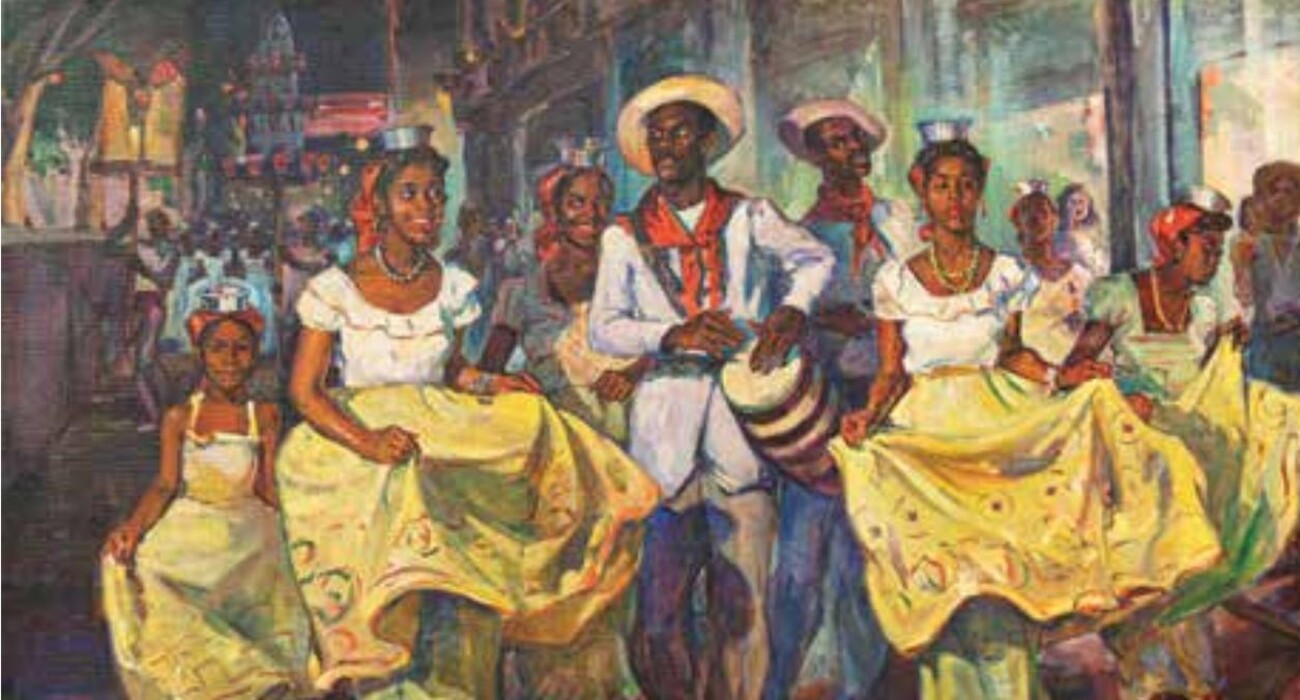
At the heart of Coral Gables, the Lowe Art Museum presents one of the most important exhibitions in recent memory for anyone seeking to understand Cuban art from a new and long-overdue perspective.
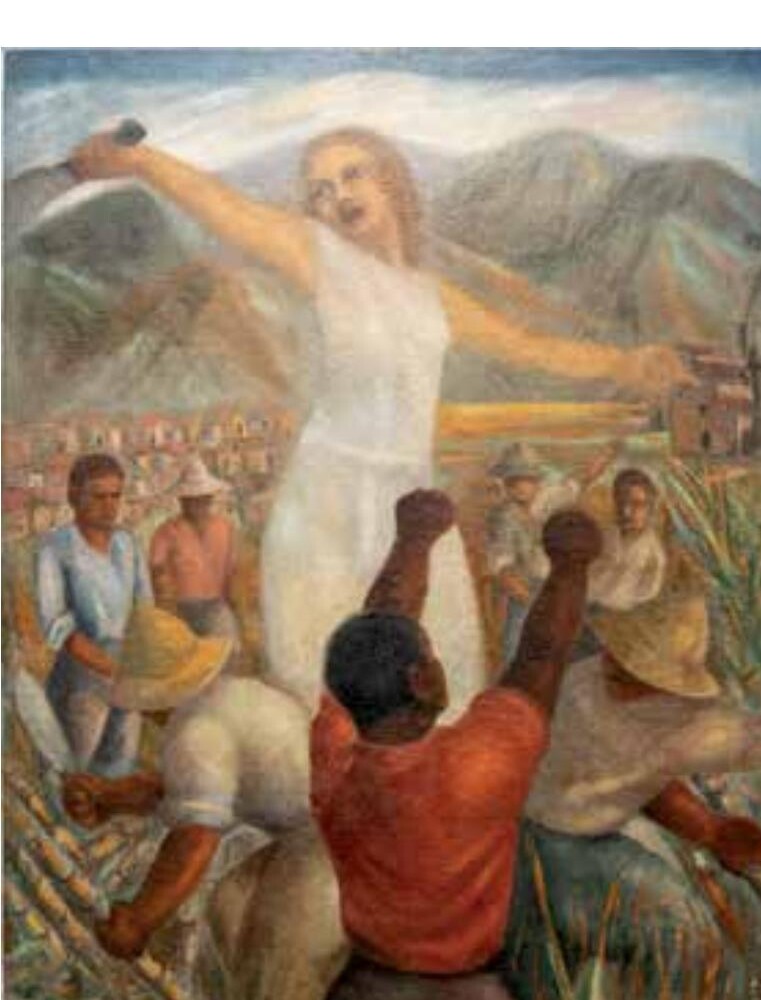
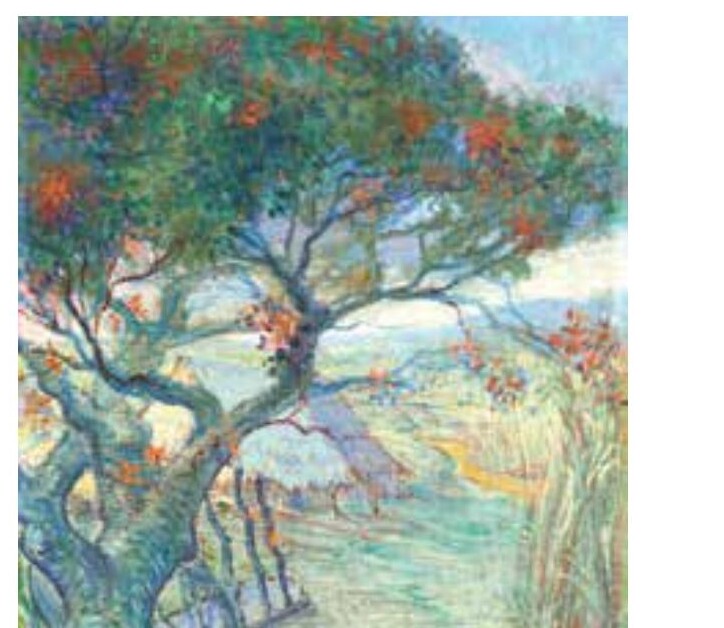
Under the titles El Pasado Mío / My Own Past: Afrodescendant Contributions to Cuban Art and Afrocubanismo: Highlights from the Ramón and Nercys Cernuda Collection, the museum brings together more than 100 works created between 1822 and 2022 — two centuries of Afro-descendant artistic creation and a profound exploration of Cuba’s African roots and cultural identity.
The main exhibition, originally organized by Harvard University’s Afro-Latin American Research Institute and expanded specifically for Miami, reclaims the place of Afro-descendant artists who were long omitted, minimized, or excluded from the official canon of Cuban art. Curated by historian Alejandro de la Fuente, this show does not simply revisit the past — it corrects it.
Among its most compelling moments are rarely seen early works by Wifredo Lam from 1926, 1931, and 1937, alongside major figures like Manuel Mendive, María Magdalena Campos-Pons, and Agustín Cárdenas, in dialogue with artists whose work has remained on the margins of art history until now. Together, they propose something powerful — a new genealogy of Cuban art.
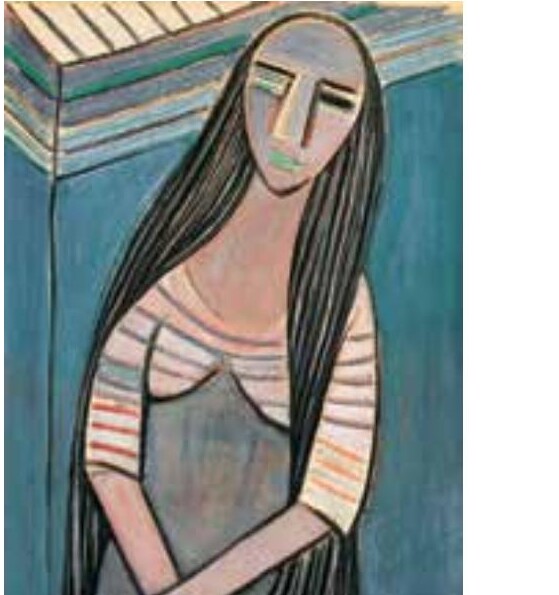
This exhibition does not simply revisit the past — it corrects it.
The companion exhibition, Afrocubanismo, examines the cultural movement of the 1930s and 40s, when many Cuban artists began incorporating Afro-Caribbean elements and African symbolism into their work. It raises uncomfortable but necessary questions about cultural appropriation, representation, and national identity. Was it admiration? Exoticization? A genuine attempt to redefine Cuba through its African roots? Likely something of all three.
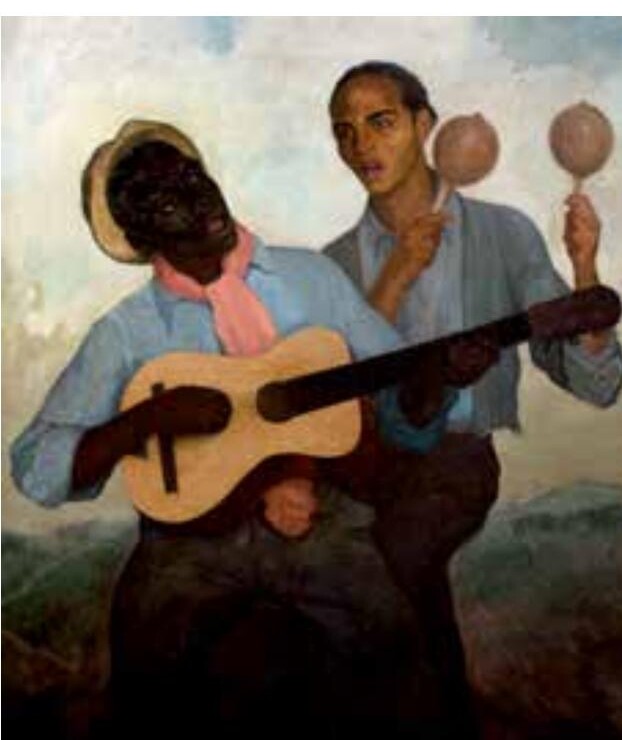
Together, both exhibitions form a sophisticated, emotionally resonant conversation — one that reclaims silenced voices while examining how Afro-Cuban culture was interpreted, and sometimes romanticized, by the Cuban avant-garde.
Miami — a city shaped by exile, memory, Caribbean heritage, and layered Latino identities — is the perfect stage for this historic show.
On view through September 12 at the Lowe Art Museum, University of Miami campus. General admission is free.


 Contact Us